Creating the Perfect Tailored Produce Boxes: A Methodical Approach
Constructing custom produce boxes calls for a strategic method. Specialists must consider sustainability, functionality, and visual appeal. Selecting the right materials is crucial for maintaining quality and supporting environmentally conscious practices. Additionally, size and form can greatly affect ease of use and shipping efficiency. Effective visual elements enhance brand recognition, while detailed assessment ensures durability. Understanding these components will discover key insights into producing remarkable container solutions that resonate to consumers. What comes next is essential to reaching those objectives.
Determining the Best Materials for Custom Produce Boxes
When selecting materials for custom produce boxes, it is important to evaluate both functionality and sustainability. The selection of material substantially shapes the box's wear resistance, weight, and capacity to protect the contents. Common materials comprise corrugated cardboard, which renders strength and is recyclable, making it a popular choice for environmentally conscious businesses. Compostable options, such as molded pulp or plant-based plastics, also align with sustainable practices while providing adequate protection for delicate produce.
In addition, moisture resistance is essential for maintaining freshness, prompting some producers to explore conditioned compounds or tailored protective barriers. The aesthetic appeal of the box should not be overlooked, as brand identity and visual communication can influence market perception. Ultimately, the right material should strike a balance between protecting the produce, drawing in buyers, and following ecological standards, ensuring both functionality and sustainability are prioritized in the design process.
How to Opt for Size and Shape for Operational Use?
When choosing the form and dimensions of custom produce boxes, careful assessment of produce measurements is essential for effective storage. Additionally, considerations for handling and transport can affect the box design, guaranteeing ease of movement. Optimizing shelf space usage further improves functionality, allowing for effective presentation and organization.
Review Produce Dimensions Carefully
Determining the correct size and shape for produce boxes is important for functionality and efficiency. Careful measurement of produce dimensions is necessary, as it makes sure that items fit tightly without unnecessary space that might create damage during warehousing and delivery. Specialized boxes need to support various configurations, from soft berries to large vegetables, while keeping durability. Additionally, the height and width of the boxes should additional article allow for efficient stacking and inventory control, making the best use of space in distribution centers. A quality-built box not only protects the produce but also enhances market presentation for end customers. Ultimately, deliberate consideration of dimensions supports minimizing waste and improving customer journey in the product distribution.
Consider the Management of Handling and Transport
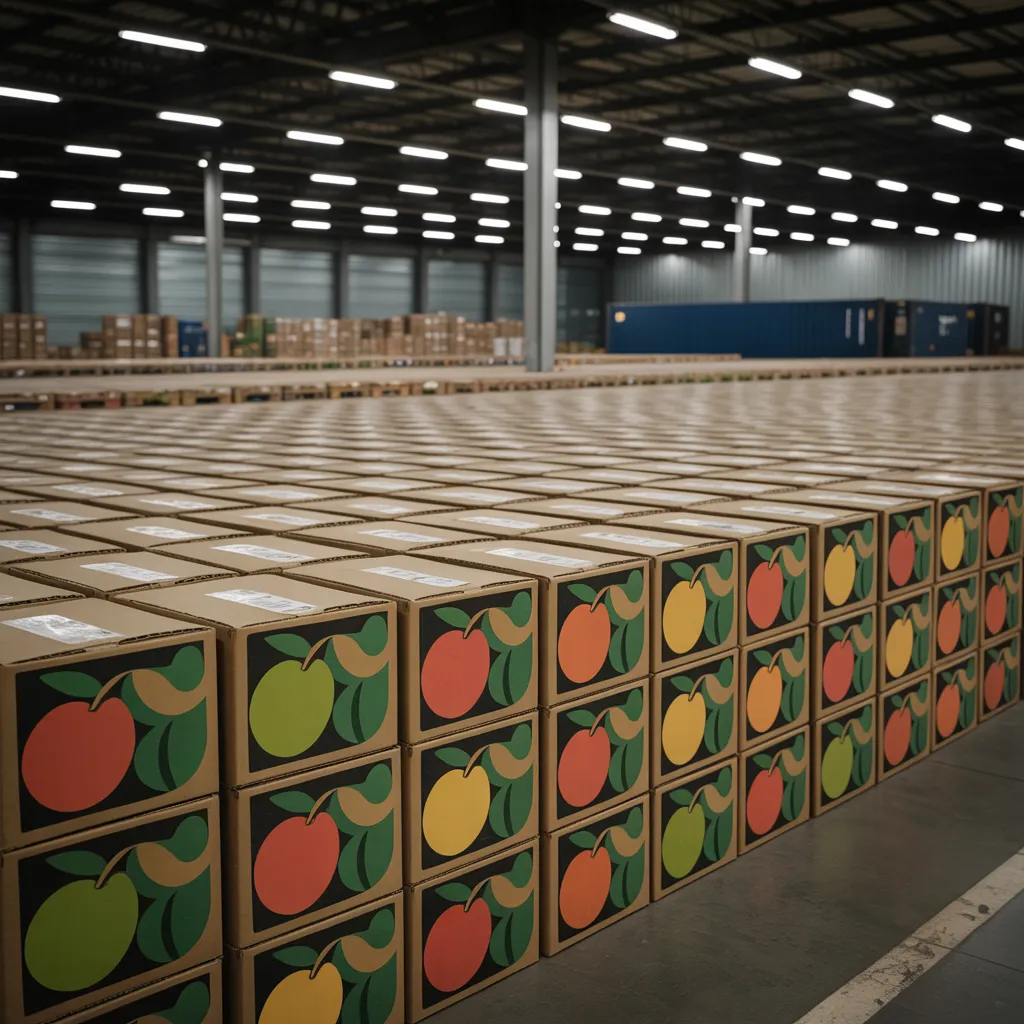
Handling and logistics factors serve as a significant function in determining the suitable size and contour of custom produce packaging. The proportions should accommodate the items lacking surplus space, this would result in movement and deterioration during transport. Smaller, compact boxes facilitate more straightforward handling, while larger boxes may become necessary for oversized items. Additionally, ergonomic design proves critical; grip areas and access ports must be positioned deliberately placed so as to provide comfortable hoisting and moving. The shape that makes up the box also affects nesting and stability, ensuring that items keep secure. In conclusion, thoughtful review pertaining to such considerations enhances the efficiency in transport, minimizes product damage, and preserves the comprehensive quality concerning the produce from farm to consumer.
Optimize Storage Space Utilization
Effective shelf space usage copyrights upon establishing the fitting form and dimensions of purpose-built produce boxes. Specialists should factor in the layout specifications of the storage shelves as well as the types of vegetation being positioned. Standard-shaped boxes often solidify space optimization, permitting for smoother arrangement and stacking. By contrast, irregular designs can heighten aesthetic quality but may result in unutilized gaps if not thoroughly considered.
It's important to review the inventory turnover rate; fast-selling items might leverage compact, readily accessible boxes. Moreover, applying flexible or customizable designs can facilitate various dimensions of merchandise while enhancing display organization. By stressing practical design with visual appeal, organizations can establish a functional and attractive display that improves both accessibility and visibility of goods.
How to Create Visuals That Capture Attention?
Impactful designs can transform a modest custom produce box into a remarkable display that captures attention. To accomplish this, creative professionals should begin by selecting a color palette that mirrors the freshness and vibrancy of the produce. Bright, visually striking colors can evoke feelings of freshness and health, compelling consumers to take a closer look.
Bold typography is also essential; readable typefaces can effectively communicate essential information while enhancing design value. Furthermore, using high-quality images of the produce can create an immediate connection, revealing the product's quality and enticing prospective purchasers.
Furthermore, adding unique patterns or illustrations can assist in setting apart the brand in a crowded market. Steadiness in visual features, such as logos and taglines, reinforces brand identity. Ultimately, a blend of creativity and clarity in graphic design can greatly elevate the significance of custom produce boxes, making them shine on shelves.
Green Practices for Custom Produce Box Protective Covering
An rising number of businesses are adopting eco-friendly practices for custom produce box packaging, acknowledging its importance in today's environmentally conscious market. These practices often include the use of biodegradable materials, such as recycled paper and plant-based plastics, which minimize environmental impact. Companies are also concentrating on sustainable sourcing, guaranteeing that materials are obtained from responsibly managed forests or suppliers who emphasize environmental stewardship.
In turn, numerous brands are going with minimalistic formats that minimize waste while still effectively promoting their products. This technique not only resonates with environmentally aware consumers but also helps in lowering production costs. Moreover, businesses are increasingly adopting efficient manufacturing processes that minimize energy consumption and waste generation. By incorporating these green practices, companies not only improve their brand image but also contribute positively to the planet, aligning their operations with a sustainable future.
Validate Your Made-to-Order Produce Box Configuration
Evaluating the design of custom produce boxes is a important stage in confirming they fulfill both visual and functional specifications. This method generally entails reviewing factors like resilience, scale, and usability. First, test versions should be built to test the box's build quality, ensuring it is able to endure delivery and storage without compromising the items.
Subsequently, functional tests can be initiated to determine how easily the boxes can be pried open, closed, and positioned. Remarks from future users can be vital in this stage, imparting insights into the box's practicality.
Moreover, the visual attractiveness of the design should be assessed through focus groups or surveys, gauging consumer reactions to branding elements, hues, and complete visual presentation.
In the end, comprehensive evaluation enables designers to improve the box, ensuring it not only attracts customers but also adequately protects and displays the produce within, achieving the right balance between form and function.
Effectively Promoting Your Personalized Produce Boxes
Effective marketing of personalized produce boxes necessitates a strategic approach that underscores their distinctive advantages and value. Organizations must prioritize pinpointing their intended customers, whether they are local farms, grocery stores, or individual consumers. Taking advantage of social media platforms can amplify brand awareness, presenting the boxes' design and practicality through compelling visuals and storytelling.
Moreover, partnering with community figures and agricultural experts can improve trustworthiness and expand audience. Providing promotions or discounts during peak seasons can attract first-time customers and promote repeat business.
Moreover, stressing environmental consciousness and green initiatives in marketing materials can connect with eco-minded customers. Supplying thorough details about the materials used and the benefits of custom packaging can help differentiate the product in a competitive market.
In the end, a detailed promotional approach that blends digital and community-based undertakings will efficiently promote custom produce boxes, engaging a diverse clientele and driving sales.
Often Requested Questions
What Expenses are Involved in Custom Produce Box Customization?
Costs associated with custom produce box design include materials, print work, workforce expenses, and delivery. Additionally, design services and minimum order quantities can influence overall expenses, leading to different prices based on particular needs and manufacturing volume.
How Long Does Production of Custom Boxes Require?
Creating bespoke boxes usually spans two to six weeks in production. Various factors that affect this duration are design intricacy, material availability, and manufacturing capability, each of which may influence delivery timelines and lead times.
May I Submit an Order for a Minimal Batch of Bespoke Produce Boxes?
Yes, limited amounts of bespoke produce containers can generally be ordered. Many suppliers extend minimum order quantities, permitting businesses or individuals to procure personalized packaging options without having to dedicate to large amounts initially.
What Common Mistakes Should You Avoid When Creating Bespoke Packaging?
Common errors in custom box creation consist of overlooking functionality, ignoring brand consistency, undervaluing material quality, not considering target audience preferences, and disregarding environmental impact. Each aspect is essential for successful packaging and customer satisfaction.
How Do I Verify My Boxes Are Food Safe?
To ensure boxes maintain food-grade status, individuals must pick materials certified for food contact, eliminate dangerous inks and adhesives, maintain cleanliness during production, and regularly test for compliance with health regulations and safety standards.